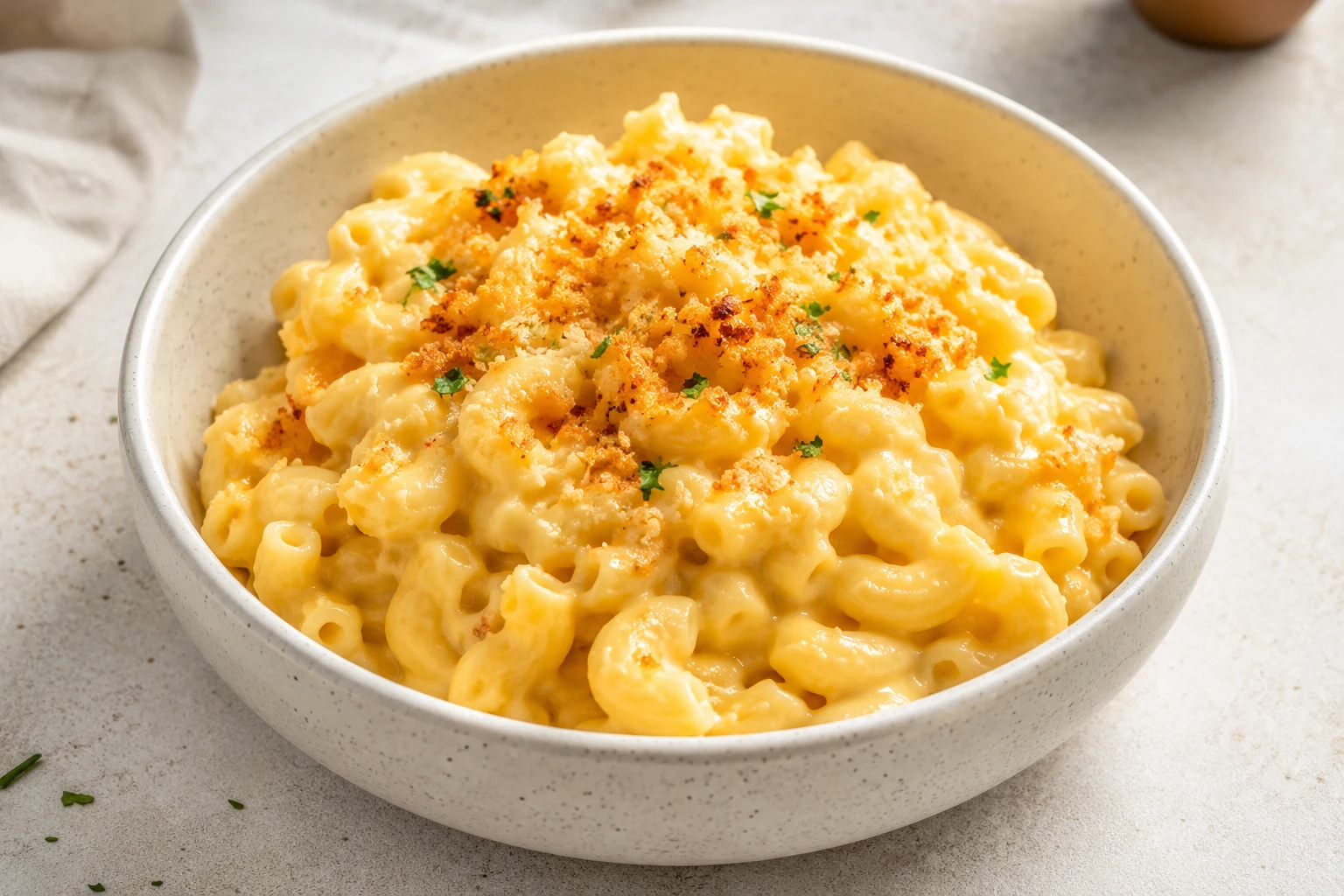
High-Protein Mac and Cheese
High-protein mac and cheese works best when the extra protein is built into the sauce rather than added as an afterthought. Blended cottage cheese gives the sauce body and creaminess, while cheddar provides the sharp, familiar flavor people expect from mac and cheese.
Keeping the sauce below a boil helps it stay smooth, and a little reserved pasta water makes it easy to adjust the consistency. The result is still unmistakably comfort food, just with a more substantial nutritional profile.
Making Mac and Cheese Creamy Without Losing the Protein
- Cottage cheese boosts protein while blending into a smooth sauce.
- Cheddar keeps the flavor recognizably classic.
- The sauce comes together quickly once the pasta is cooked.
- Broccoli, peas or chicken can turn it into a fuller meal.
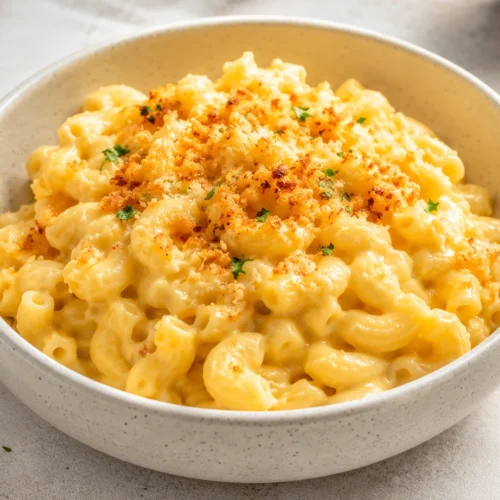
High-Protein Mac and Cheese
Ingredients
- 10 oz elbow macaroni 285 g
- 1 cup cottage cheese 225 g
- 1 cup milk 240 ml
- 1.5 cups shredded sharp cheddar 150 g
- 1 tbsp Dijon mustard
- 1/2 tsp garlic powder
- 1/2 tsp salt
- 1/4 tsp black pepper
- Optional paprika
Instructions
- Cook macaroni until just al dente and drain.
- Blend cottage cheese, milk, Dijon, garlic powder, salt and pepper until smooth.
- Return pasta to the pot over low heat.
- Stir in blended sauce, then add cheddar gradually until melted.
- Warm gently until creamy; do not boil hard.
- Serve with paprika if desired.
Notes
A Better Result Starts Before the Timer Does
- Blend the cottage cheese completely.
- Shred cheese from a block for smoother melting.
- Keep heat low once cheese is added.
- Add pasta water if the sauce becomes too thick.
A Few Good Recipes to Follow This One
If you enjoyed this recipe, try one of these next:
What to Know Before You Refrigerate It
Refrigerate leftovers promptly. Reheat gently with a splash of milk.
How to Prevent Grainy High-Protein Mac and Cheese
This sauce is most stable when it is warmed gently. Cottage cheese and cheddar both contain proteins that can tighten under aggressive heat. Blend the cottage cheese mixture until completely smooth, then add the cheddar gradually over low heat rather than boiling the sauce.
Cheese selection makes a difference
Freshly shredded cheddar generally melts more smoothly than heavily coated pre-shredded cheese. Sharp cheddar gives stronger flavor, which is helpful because the cottage cheese and milk make the sauce milder than a traditional butter-and-flour cheese sauce.
Fixing the consistency
- Too thick: add warm milk a tablespoon at a time.
- Too thin: keep the pot over low heat for a minute or two while stirring, then let it stand briefly.
- Grainy: remove from high heat and stir in a small splash of warm milk.
- Dry after sitting: reserve a little milk for reheating because the pasta keeps absorbing sauce.
Cook the macaroni only until al dente. Very soft pasta continues absorbing the sauce and can make leftovers feel heavy. When reheating, use low heat and a little milk instead of microwaving for one long interval.
Useful Answers for the First Batch
Can I use Greek yogurt instead of cottage cheese?
Yes, but the flavor will be tangier and the sauce should not be boiled.
What pasta works best?
Elbows, shells and cavatappi hold creamy sauce well.
Can I add vegetables?
Yes. Peas, broccoli or spinach are easy additions.